How Community Health Volunteers Saved the Life of Najm Al-Din in Lahj
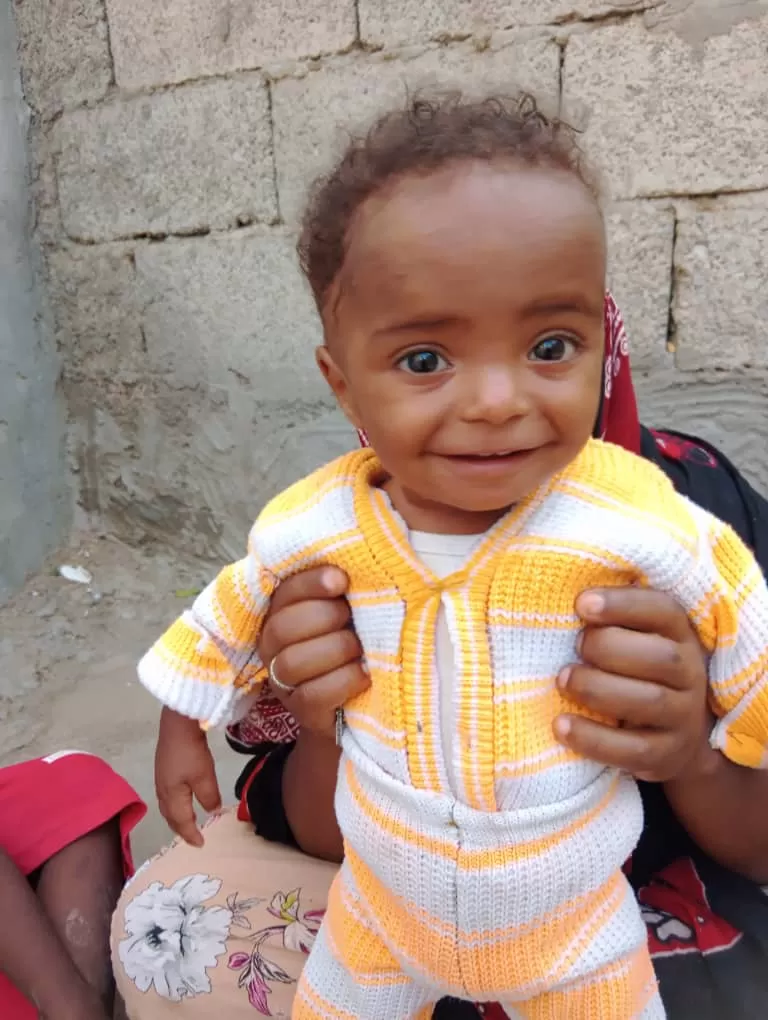
In the remote village of Al-Arabdi, in Tor Al-Baha District of Lahj Governorate, the mother of one-year-old Najm Al-Din Mohammed Abdullah Ali watched anxiously as her child grew weaker day after day.
The family was unable to provide enough food for their child amid difficult living conditions caused by Yemen’s humanitarian crisis. As his health deteriorated, Najm Al-Din began crying frequently and losing significant weight, while his mother was unable to access the care he needed.
“My son was wasting away before my eyes. I was heartbroken, but there was nothing I could do to treat him or save him. We lived in constant fear and anxiety that we might lose him,” his mother says.
The Journey to Recovery Began at the Doorstep
In May 2026, Najm Al-Din’s condition worsened, and an examination showed that he was suffering from severe acute malnutrition. With the village located far from health facilities and the family having limited means to cover treatment costs, his condition required urgent intervention.
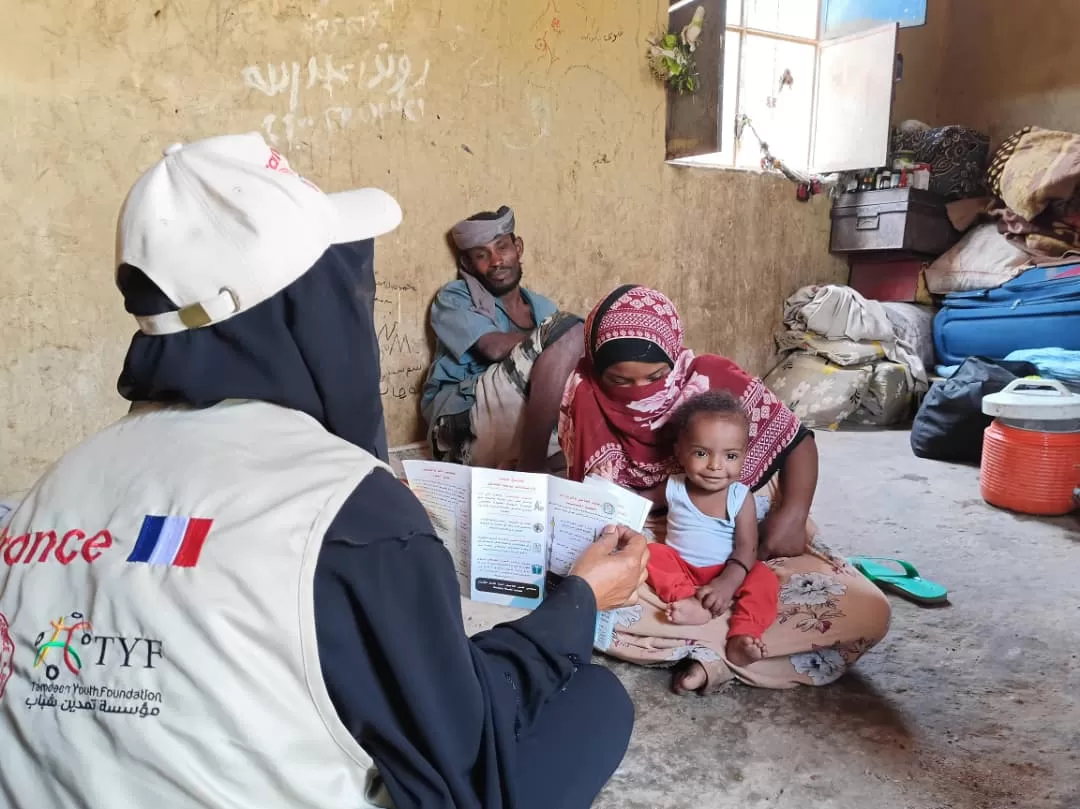
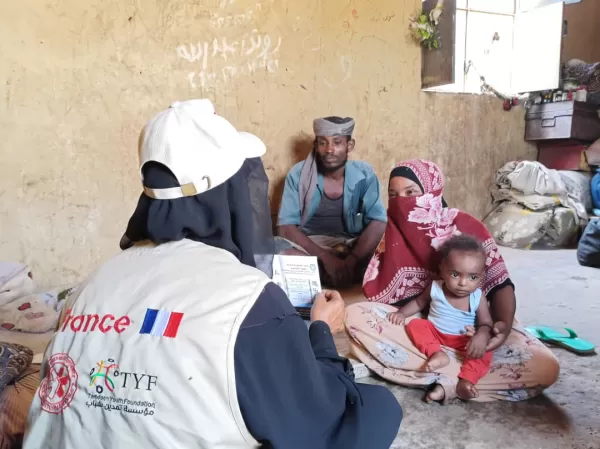
At that time, Arzaq Saeed, one of the community health volunteers, arrived at the family’s home as part of her field visits to remote villages and areas that are difficult to reach regularly.
Arzaq examined the child and noticed danger signs requiring immediate medical intervention. She promptly coordinated his referral to the Maternal and Child Health Center in Tor Al-Baha District, which receives support from Première Urgence Internationale (PUI) to provide its services. There, Najm Al-Din received the care he needed, as well as therapeutic foods and medicines free of charge. His routine immunization doses were also completed.
For Arzaq, however, the mission did not end when the child reached the health center.
Home Follow-Up and Continuous Care
After Najm Al-Din and his mother returned home, another stage of care began. Arzaq visited the family every week to monitor his health, ensure that the therapeutic foods were being used correctly, and provide his mother with guidance on nutrition, hygiene, and disease prevention.
This continued communication gave the family support that extended beyond medical treatment itself. The mother learned what signs to monitor, when to seek help, and how she could contribute to restoring her child’s health.
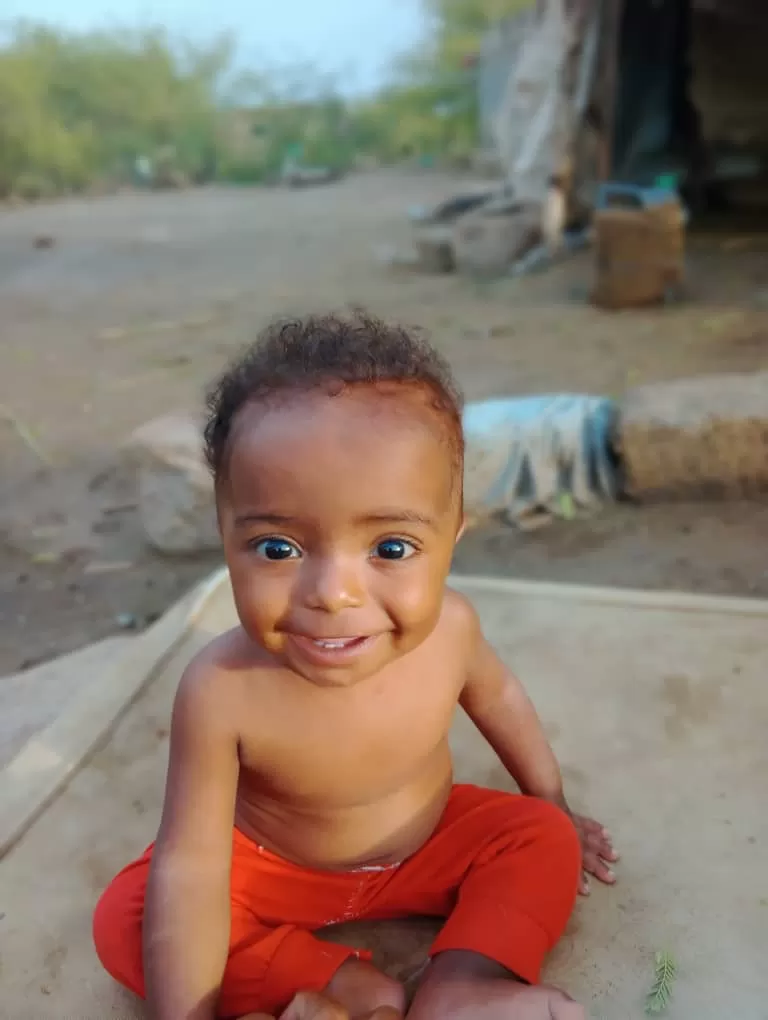
As the weeks passed, signs of improvement began to appear. Najm Al-Din gradually regained weight, his health improved, and his energy returned.
In July 2026, medical examinations confirmed that the child had recovered from severe acute malnutrition.
“His Laughter Came Back—and So Did My Spirit”
For Najm Al-Din’s mother, recovery was not merely an improvement in her child’s weight; it was the return of life to a home that had been filled with fear.
“This intervention brought life, hope, and smiles back to my child and my family. My son is now growing healthily. Today, his laughter has returned to me, and my spirit has returned with it,” she says.
The mother believes that what distinguished the intervention most was the fact that the service reached their village directly, together with consistent weekly follow-up and the family’s access to services, medicines, and therapeutic foods free of charge and with dignity and compassion.
She extends her thanks to the volunteer Arzaq, Première Urgence Internationale (PUI), Tamdeen Youth Foundation (TYF), and the Maternal and Child Health Center, saying:
“I hope this project continues and reaches every remote village where children are suffering as we did, so that you can save their lives and bring joy to their mothers’ hearts just as you brought joy to mine.”
Volunteers Reach Those Who Are Difficult to Reach
Najm Al-Din’s story is not an isolated case. It is an example of the role played by 14 community health volunteers selected from the targeted areas of Tor Al-Baha District in Lahj Governorate.
Because they know the villages, families, and roads that health teams may find difficult to reach regularly, the volunteers serve as a link between communities and health facilities. Their role is not limited to delivering health messages. It also includes detecting cases and health risks at an early stage, providing counseling, referring patients to health facilities, and following up on cases within their communities.
In remote areas, identifying a case at the right time can make the difference between prolonged illness and a child’s recovery.
Reaching Children and Women in Remote Areas
This response was part of the “Enhancing Health, Nutrition, Water, and Environmental Sanitation Services” project, implemented by Tamdeen Youth Foundation (TYF) with funding from Première Urgence Internationale (PUI). The project ran from February 1 to August 31, 2026, in Tor Al-Baha District of Lahj Governorate.
The project targeted children under five years of age, as well as pregnant and breastfeeding women. It focused on bringing health and nutrition services to communities that face difficulties accessing health facilities.
The interventions included regular screening for malnutrition, the provision of micronutrient supplements, direct referral of cases requiring care, and awareness sessions on infant and young child feeding and hygiene practices.
Through community health volunteers, these services extended into villages and homes, reaching families who might not otherwise be able to access health facilities on their own.
For Najm Al-Din, the story began with a child losing weight in a remote village and a mother afraid that she might lose him. It ended with a child who regained his health and smile—and a mother who regained hope along with him.