Floods in Yemen: An Unprecedented Disaster Deepening the Humanitarian Crisis
Tamdeen Youth Foundation: Special Report
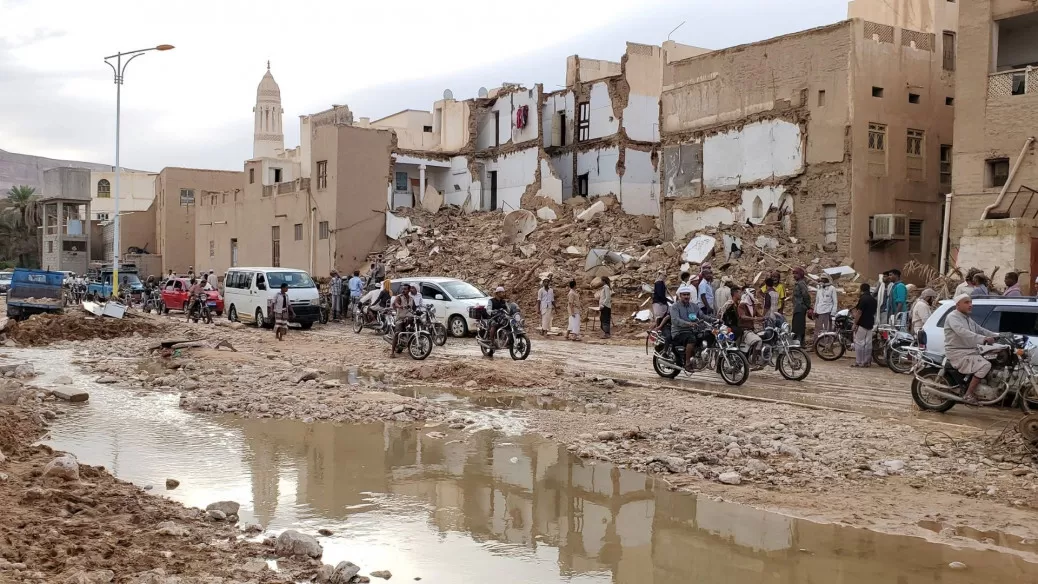
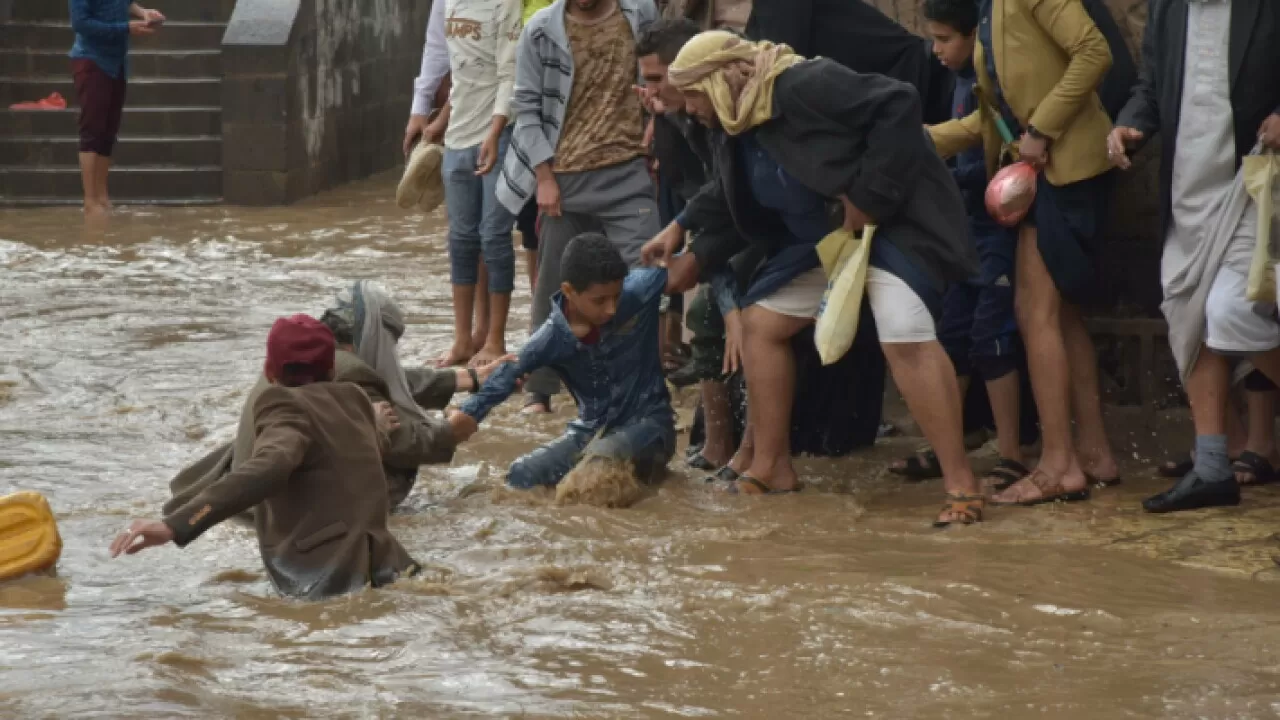
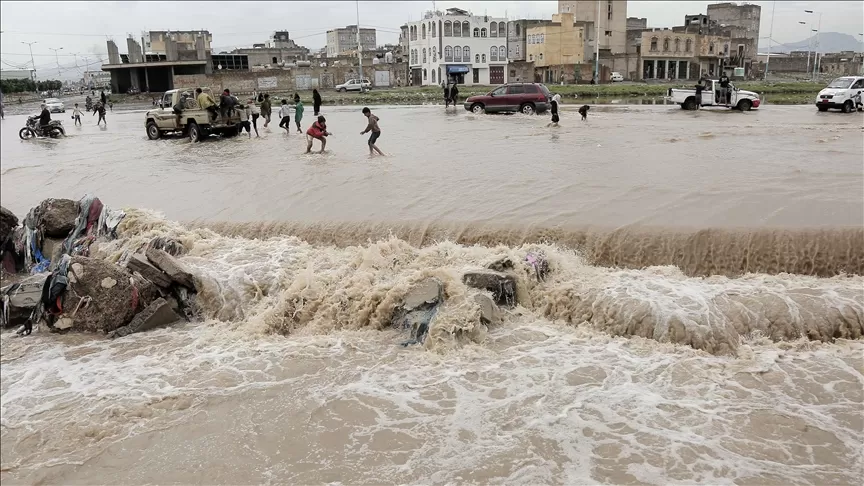
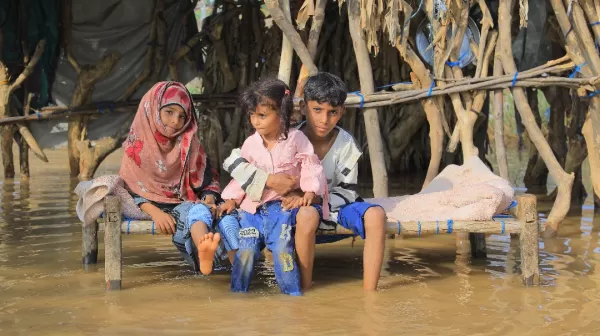
Since mid-August 2025, Yemen has witnessed torrential rains not seen in decades, unleashing flash floods across northern, central, coastal, and southern governorates. The disaster has caused severe destruction of lives and property, further weakening the country’s fragile humanitarian situation amidst ongoing conflict.
Scale of the Disaster
- Over 100,000 people affected nationwide.
- 16,000 families impacted in Hajjah governorate alone, according to UNHCR.
- 6,700 shelters destroyed in Marib, leaving more than 8,400 displaced families homeless.
- Dozens killed and hundreds of families forced to flee their homes.
Scenes from Across Yemen
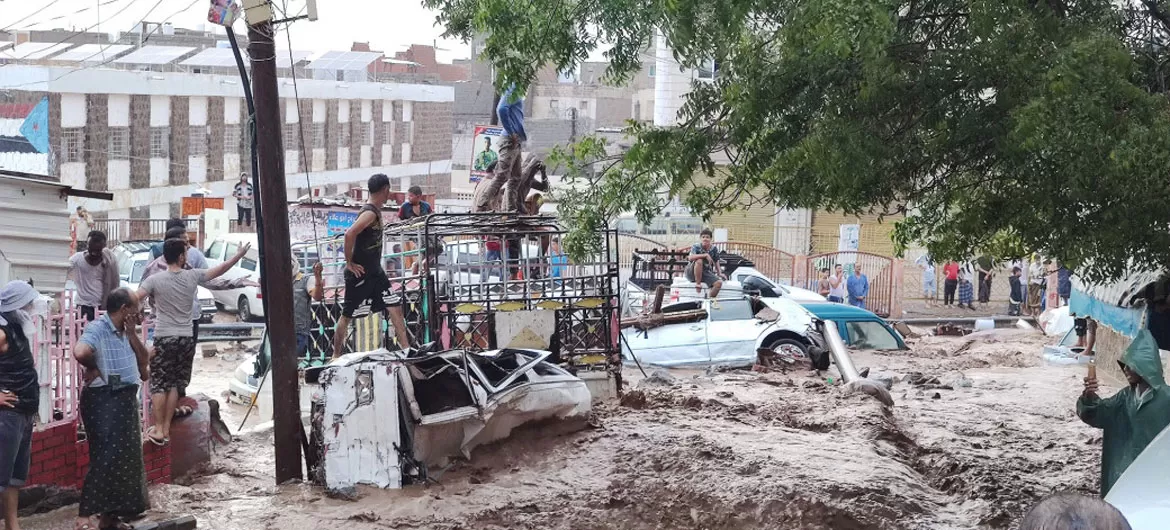
- Aden: On August 23, unprecedented floods swept through Al-Buraiqa, Al-Hisswa, and Bir Ahmed, washing away cars and inundating homes. Local authorities declared Al-Buraiqa a “disaster zone.”
- Shabwah: Six people, including children, lost their lives. Farms and vehicles were destroyed.
- Hajjah: A house collapsed, killing three children, while camps for displaced families in Abs suffered massive destruction.
- Al-Hodeidah: Floods devastated the Al-Jashsha and Bani Jahber displacement camps, collapsing dozens of shelters and ruining food supplies.
Voices from the Ground
- Ammar, a farmer from Yakhtul – Al-Mokha: “I have never seen floods like this before. My house, my crops, and my livestock pen were all washed away. We lost everything.”
- Hussein, a farmer from Abs – Hajjah: “The floods destroyed the solar irrigation system and buried the wells. Many workers lost their livelihoods, and some refuse to return out of fear of sudden floods.”
- Abu Bakr Balghaith, from Al-Mukhbiyah village: “Our once-thriving palm groves have vanished under the water.”
Response Gaps
While emergency teams have opened schools as temporary shelters and humanitarian actors have delivered food, water, and medicine, the needs far exceed available resources.
Key challenges include:
- Critical funding shortages limiting humanitarian operations.
- Weak and damaged infrastructure obstructing rescue and aid delivery.
- Conflict-related constraints exacerbating the impact of natural disasters.
Urgent Call to Action
The floods reveal Yemen’s position at the frontline of climate change. A decisive international response is urgently needed:
- Immediate increase in humanitarian funding — particularly for shelter, water, and sanitation.
- Investment in sustainable solutions — including solar-powered water treatment plants, modern irrigation technologies, and rainwater harvesting projects.
- Direct support for local organizations — leveraging their knowledge and presence to ensure fast, effective aid delivery.
- Strengthening resilience — through climate adaptation initiatives, alongside efforts to end the conflict as the foundation for sustainable recovery.
Conclusion
The catastrophic floods highlight that climate change is no longer a distant threat in Yemen but a devastating reality, destroying infrastructure, livelihoods, and displacing thousands. Combined with years of war and weakened institutions, the crisis leaves millions highly vulnerable.
The international community must act now. Beyond emergency relief, a long-term commitment to climate resilience is essential to enable Yemeni communities to withstand future shocks and rebuild their lives with dignity.